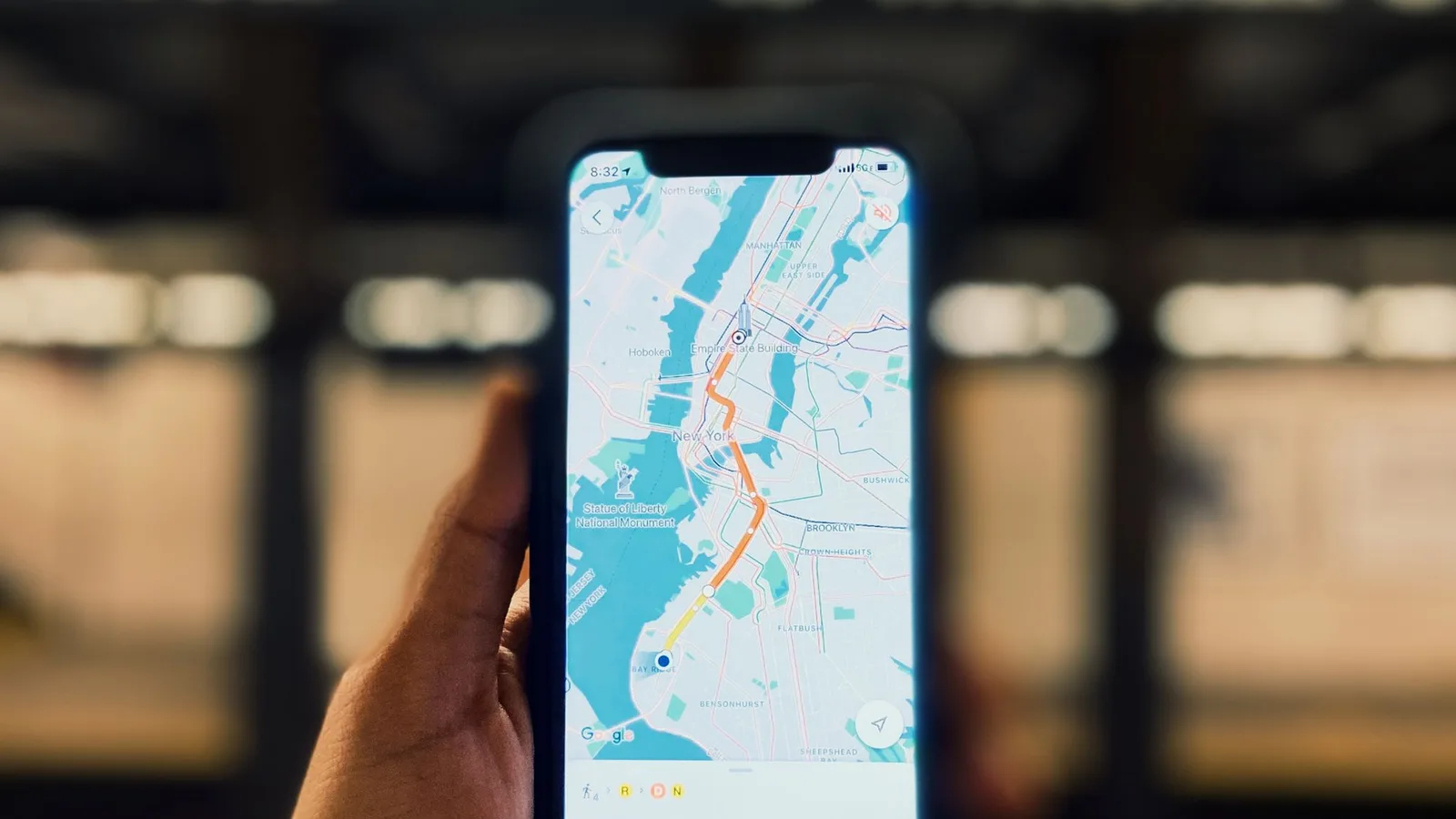
Google Maps SEO is the work that helps your business appear in Google’s map results and the local pack, the map with three businesses that often sits above the organic links. Searches like “plumber near me” or “dentist Subiaco” usually start there. This guide focuses on Maps visibility, local citations and the signals that support a stronger listing. For full profile setup, use our Google Business Profile SEO guide and guide to ranking your Google Business Profile.
At a glance
Google Maps SEO helps your business appear in Maps and the local pack through relevance, distance and prominence.
If you are still clarifying the wider channel, start with our what is SEO guide.
What Google Maps SEO means
Google Maps SEO is local search focused on map surfaces: the local pack in Search, and the listings people see when they open Maps. It sits inside local SEO for small business, but it is not the same as ranking a website page for a city keyword.
Maps results change with the searcher’s location. A business can look strong near its pin and weaker a few kilometres away, so one phone check at the office is a poor test. Several points across your service area give a clearer picture.
Organic website SEO still matters for prominence. Maps SEO puts more weight on the business entity: location, categories, reviews, consistency across the web and how well your listing matches the search.
How Google ranks Maps and local pack results
Google explains in its tips to improve local ranking that local results are based mainly on relevance, distance and prominence. There is no paid upgrade that buys a better organic Maps position.
Relevance is how well your Business Profile matches what someone searched. Accurate categories, services and description help Google understand what you do.
Distance is how far you are from the searcher or from the place named in the query. You cannot change geography, but you can make sure your address or service area is precise.
Prominence is how well known your business appears to be. Google notes that links to your business, reviews and positive ratings can help. Mentions and listings around the web feed into that picture, which is where citations come in.
In practice, category fit and a clear local landing page still come first. Fresh reviews help most when the core listing is already accurate and relevant.
Local SEO citations and NAP consistency
Local SEO citations are mentions of your business name, address and phone number (NAP) on other sites: directories, industry lists and similar pages. They help Google confirm that your business is a real, consistent entity.
Google’s guidelines for representing your business ask you to reflect the business as it is known in the real world, with an accurate address or service area and a phone number that reaches that location. Use one real world name, one correct address and one primary phone on your website, Business Profile and major directories.
Fix real conflicts first: old addresses after a move, dead phone numbers and duplicate listings. Prefer a handful of accurate, relevant listings over hundreds of low quality directory pages. Citations are hygiene and entity support, not a shortcut past stronger competitors. Profile relevance, reviews and a useful website still carry more of the ranking work. After cleanup, put more time into the profile and review work Google itself highlights.

How to improve your Google Maps profile
You do not need a full rebuild of your Business Profile to lift Maps performance. Google’s local ranking help is clear: verify the business, keep information complete and up to date, reply to reviews, and add photos and videos.
Start with the primary category that best describes what the business is. Confirm the address or service area is precise. Keep hours current. Add photos of the real premises, team and work. Link the listing to a page that matches the service and area searched, not only a generic homepage.
For step by step profile optimisation beyond this Maps angle, use the Business Profile guides linked above and our local SEO how to rank article.
Reviews that follow Google’s rules
Reviews sit inside prominence, and they also help a person choose you once they see the pack. Google’s tips to get more reviews say you can remind customers to leave a review, including with a Google link or QR code, and that you should reply and value honest feedback.
Google’s incentivised or biased reviews policy covers reviews influenced by payment, discounts, free goods or services, or a conflict of interest. Offering incentives for posting, changing or removing reviews is prohibited. Ask for genuine feedback from real customers. Do not trade discounts for five star ratings.
Reply promptly and professionally. For a fuller process that stays inside the rules, see how to get Google reviews.
Common mistakes
Judging Maps rank from one location misses how proximity changes the result. Stuffing the business name with suburbs or keywords breaks Google’s representation guidelines. Buying bulk citations while ignoring wrong NAP creates noise. Incentives or selective review asking breaks policy. Ignoring the website is another miss, because Maps SEO still benefits from clear service pages and a site that earns mentions and links. Our small business SEO guide covers that side.
Get help with Google Maps SEO
If your listing is stuck outside the pack, or citations and profile data are a mess, our SEO team can audit the listing, clean local signals and build a practical plan. Contact us or email hello@thedigitalmarketingconsultants.com.au.