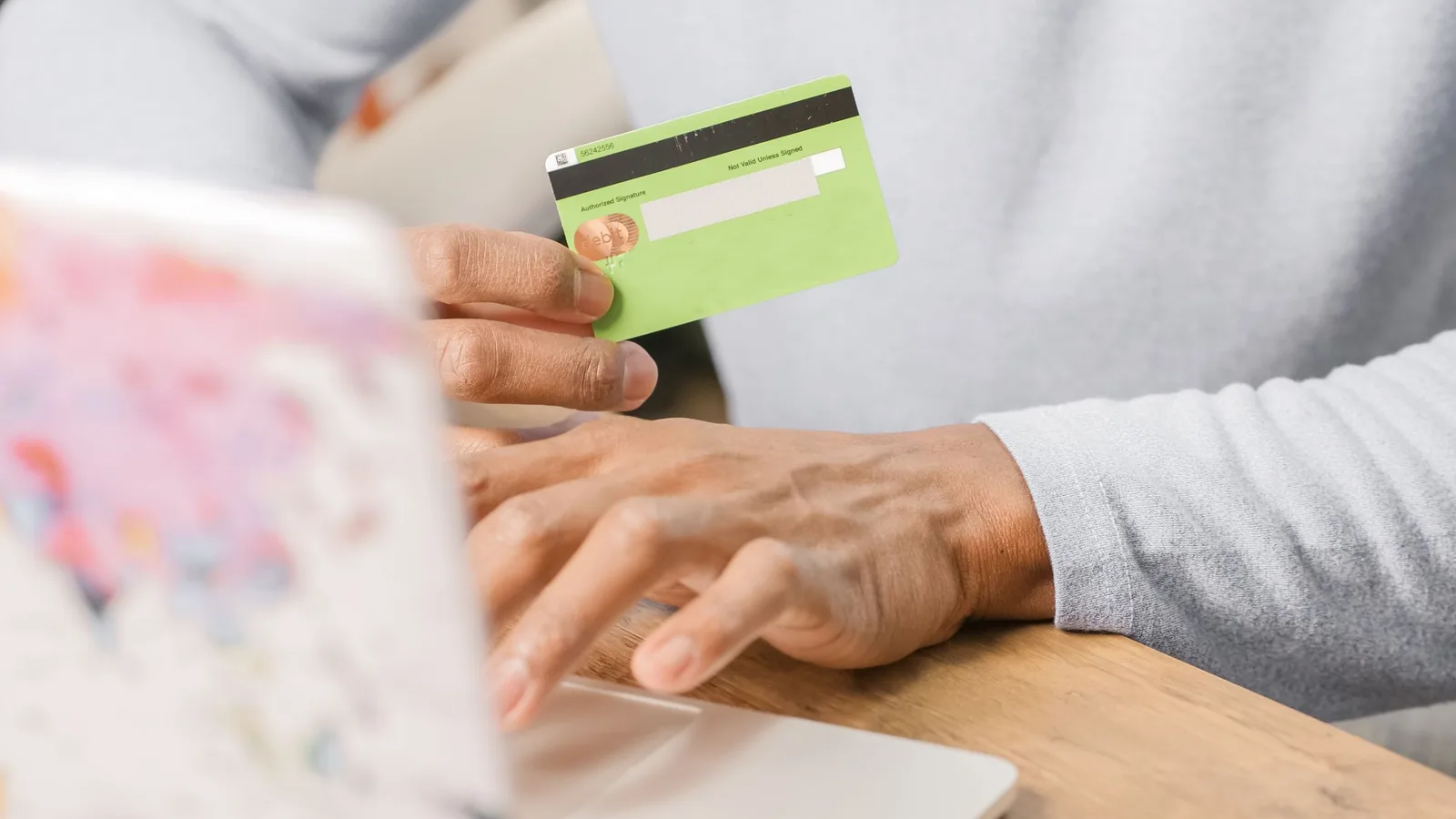
If you want to sell online, you need an ecommerce payment gateway: the service that securely takes a customer’s card or wallet payment and sends the money to your bank. Choosing one sounds technical, but for most small businesses it comes down to a few practical questions. This guide explains how to take payments on your website, compares the main options in Australia and covers how to set them up safely.
At a glance
For most small businesses, choosing a gateway comes down to a few practical questions.
The good news: most modern website platforms make connecting a gateway a few clicks, not a development project.
How an ecommerce payment gateway works
When a customer checks out, the gateway encrypts their payment details, checks them with the card network and bank, and approves or declines the payment. The money then settles into your bank account, usually within a few business days, minus the provider’s fees.
Many providers now combine the gateway and the merchant account, so you sign up once and start accepting payments. Because the provider handles the card details, most of the security burden sits with them, though you still have responsibilities under the PCI Data Security Standard.
Payment options for Australian websites
The most common choices for small businesses include:
- Stripe: popular with online businesses and developers, flexible, with many platform integrations.
- Square: strong if you also sell in person, with point of sale, invoicing and online payments in one system.
- PayPal: widely recognised by shoppers, often added as an extra option at checkout.
- Your platform’s own payments: for example, Shopify offers built in payments that integrate tightly with its checkout, one factor to weigh when choosing the best ecommerce platform in Australia.
- Bank gateways: the major Australian banks offer their own online payment services, sometimes preferred by established businesses.
- Buy now pay later: services like Afterpay and Zip can be added on top of a card gateway.
Customers also expect digital wallets such as Apple Pay and Google Pay, which most major gateways support.
How to choose a payment gateway
Ask these questions:
- Does it work with your website platform? Check the official integrations list for your platform first.
- What are the total fees? Compare the per transaction rate, any fixed fee, international card fees, chargeback fees and monthly costs on each provider’s current pricing page. The best option depends on your average order value.
- Which payment methods do your customers want? Cards, wallets, buy now pay later or bank transfer.
- How fast are payouts? Cash flow matters for small businesses.
- Do you also sell in person? One system for both makes reporting simpler.
- Does it connect to your accounting software? This saves hours of reconciliation.
If you have not chosen a platform yet, our small business website design guide covers what to plan for, and our website management article explains the ongoing care a store needs.

How to set up online payments for small business
- Choose a gateway that integrates with your platform.
- Create a business account with your ABN, bank details and identity verification.
- Connect it through your platform’s payments settings.
- Turn on wallets like Apple Pay and Google Pay.
- Test the full checkout on mobile and desktop, including refunds.
- Check your site security. HTTPS everywhere, strong passwords and two factor login. business.gov.au’s cyber security guide is a good checklist.
- Set up conversion tracking so you know which marketing drives sales. See our conversion tracking setup guide.
Never ask customers to send card details by email or put your bank account on a page in place of a checkout. A proper gateway protects both you and them.
Reduce checkout friction
A slow or confusing checkout loses sales. Keep forms short, show total costs early and offer guest checkout. Our CRO service and ecommerce website design guide cover how to improve it.
Common mistakes
- Choosing on headline rate alone without checking other fees.
- Too few payment options, so customers leave at checkout.
- Skipping mobile testing of the payment flow.
- Weak account security on your website and gateway logins.
- Not reconciling payments with your accounting software.
Get your online store taking payments
If you want a website that takes payments smoothly and turns visitors into buyers, our website design team can set it up. Contact us or email hello@thedigitalmarketingconsultants.com.au.